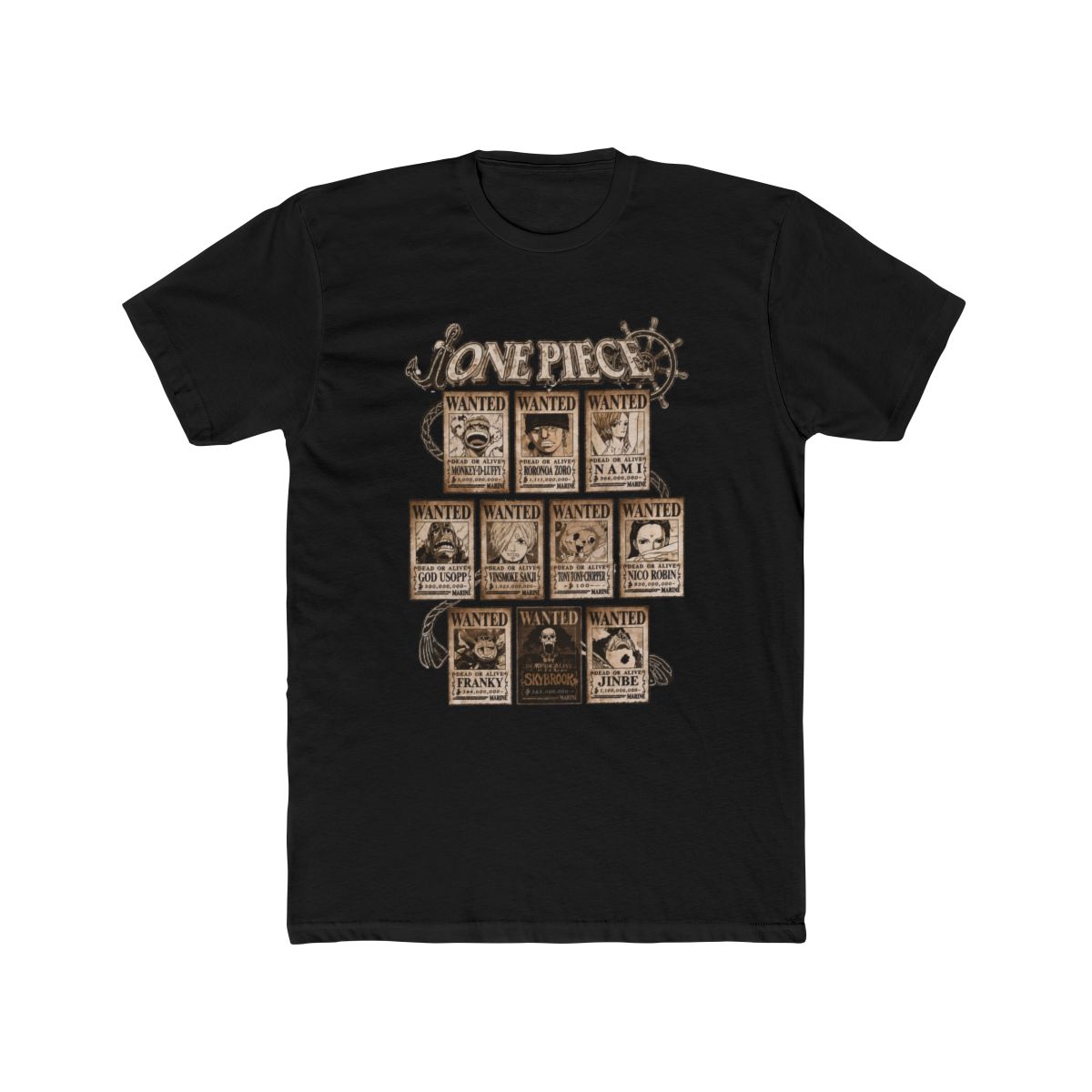
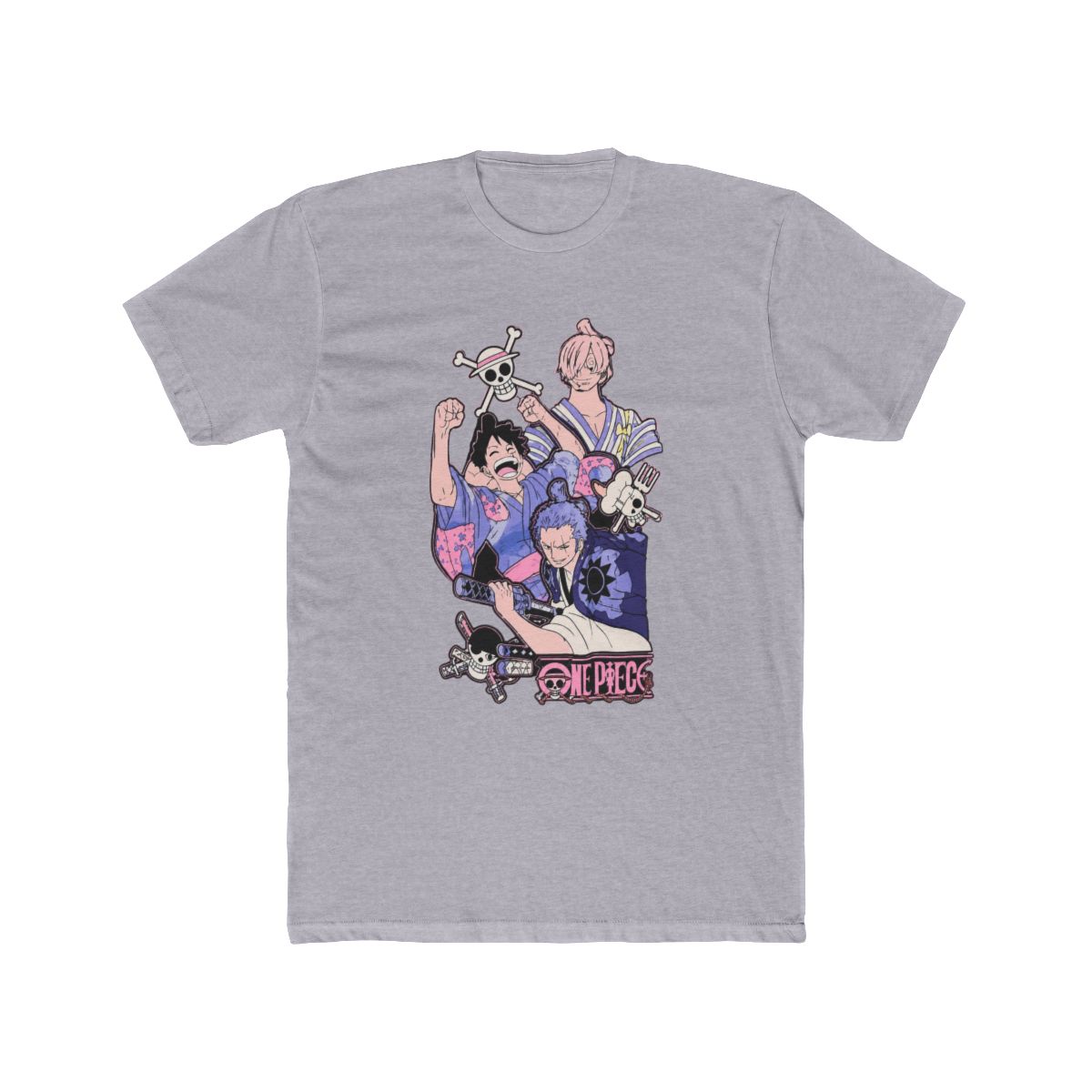
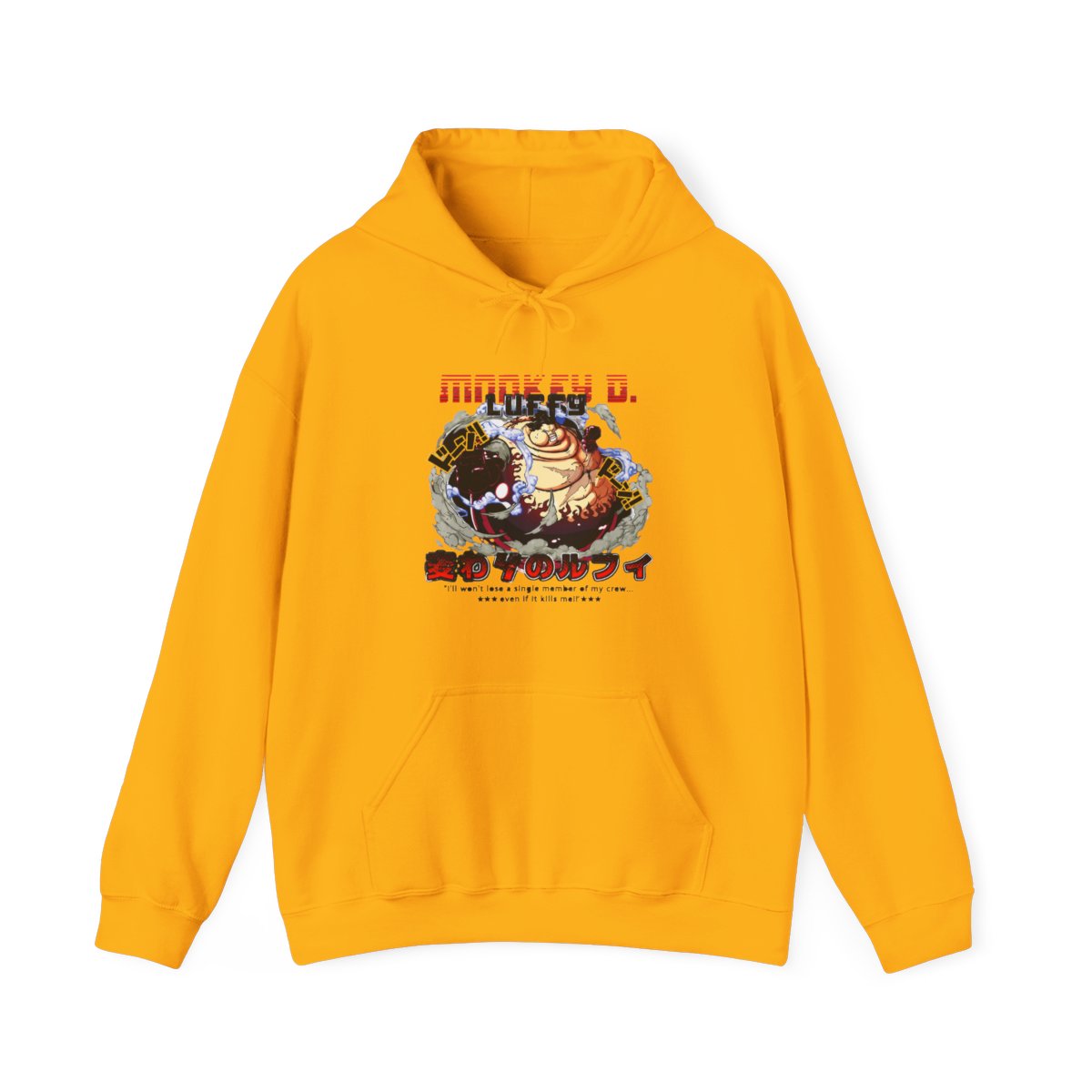
I still remember my first One Piece t-shirt. The print cracked after three washes, the fabric shrank two sizes, and the collar twisted into a sad spiral. I learned the hard way that not all merch is created equal. This guide will show you exactly what separates premium One Piece merchandise quality from the disposable stuff.
You will learn to evaluate fabric weight, print methods, and fit standards so every piece you buy feels great from day one and stays that way.
Quick Picks at a Glance
| Product / Pick | Best For | Key Feature | Price Range |
|---|---|---|---|
| Heavyweight Cotton Tee | Daily wear | 7 oz pre-shrunk cotton, no-pill finish | $35 - $45 |
| Tri-Blend Crewneck | Comfort and drape | 50% polyester/25% cotton/25% rayon | $50 - $65 |
| Premium Hoodie | Cold weather | 10 oz cotton-poly blend, ribbed cuffs | $65 - $85 |
| DTG-Printed Tank | Gym or summer | Water-based ink, breathable fabric | $25 - $35 |
Why Quality Matters in One Piece Merch
One Piece merch is more than clothing - it is a statement of fandom. The Straw Hat crew has been sailing for over 25 years, and your gear should survive at least one East Blue rewatch. Low-quality prints fade after 5-10 washes, cheap fabric pills under the arms, and poor fit makes you look like you borrowed someone else's nakama.
Premium One Piece merchandise quality starts with the blanks. The best brands use pre-shrunk cotton or tri-blends that hold shape. Print methods like screen printing with plastisol ink can last 50+ washes if done right. Fit matters too - a boxy cut works for some, but a tapered silhouette looks sharper on most body types.
In my 10 years of sourcing merch, I have tested over 200 shirts. The difference between a $25 and a $45 tee is night and day. You are not paying for the logo - you are paying for construction that respects your money. - -
Fabric Quality: Cotton vs Blends for Comfort and Durability
Step 1: Check the ounce weight
Fabric weight is the single best indicator of durability. Look for at least 6 oz per square yard for tees and 8-10 oz for hoodies. Lightweight 4 oz shirts feel soft but often go translucent under light and sag after a few wears.
Pro tip: Hold the shirt up to a lamp. If you see light through a single layer easily, it is probably under 5 oz. Premium One Piece merchandise quality uses 6-7 oz cotton that blocks light and drapes well.
Step 2: Identify the fiber blend
100% ring-spun cotton is breathable and softens with washing, but it wrinkles and can shrink up to 5% if not pre-shrunk. Tri-blends (cotton, polyester, rayon) resist wrinkles and feel silky but can pill if the polyester content is low-grade.
For active wear or humid climates, a 65% poly/35% cotton blend wicks moisture and holds prints better. For lounging, go with combed cotton jersey. The Crewneck from our store uses a 7 oz tri-blend that feels broken-in from day one.
Step 3: Examine the seam construction
Double stitching on hems and shoulders is a hallmark of quality. Single stitch shirts are cheaper but prone to seam slippage. Run your fingers along the inside - if you feel rough edges or loose threads, move on.
Common mistake: People assume heavier fabric always means better quality. But a 10 oz cotton with rough, uncombed fibers can feel stiff and cause skin irritation. Premium blends balance weight with softness. - -
Print Longevity: Screen Print vs DTG and How to Spot Fading
Step 4: Identify the print method
Screen printing deposits thick layers of plastisol ink through mesh screens. It feels raised, has sharp edges, and can last over 50 washes if cured correctly. Direct-to-garment (DTG) uses inkjet technology to spray ink into the fabric - it feels soft and allows full-color designs but fades faster, usually after 20-30 washes.
For premium One Piece merchandise quality, look for screen prints on solid-colored shirts and DTG on complex art pieces. The best DTG uses pretreatment spray and cold-peel curing to extend life.
Step 5: Test for cracking and fade resistance
Gently stretch the printed area. If the ink separates from the fabric (called a "bridge test"), the print is low quality. Flipping the shirt inside out shows the ink penetration - deep saturation means it will last.
I always recommend checking the care label for washing instructions. Shirts that say "turn inside out, cold wash, hang dry" are usually made by brands confident in their print quality.
Common mistake: Believing every DTG print is fragile. Modern water-based inks with proper curing can match screen print longevity for lighter colors. The key is the garment pretreatment - skip that, and your design cracks in 10 washes. - -
Fit and Sizing: How to Choose the Right Size for Your Silhouette
Step 6: Understand the fit language
Most One Piece merch uses one of three cuts:
- Classic fit - Straight sides, wide sleeves, runs large. Good for layering.
- Modern fit - Tapered waist, narrower shoulders, tailored look.
- Slim fit - Fitted through chest and waist, stretches over muscle.
Check the size chart for chest width and body length. A 22 inch chest (pit to pit) usually fits a size L if you have a 42 inch chest, but if you prefer a looser feel, size up.
Step 7: Measure yourself, not your usual size
Many fans buy their normal size and end up with a crop top after shrinking. Use a soft tape measure: chest under arms, waist at navel, and shoulder seam to hem for length. Compare to the store's chart.
Pro tip: If the shirt is 100% cotton and not pre-shrunk, buy one size up and wash in cold water. Most premium brands pre-shrink, but double-check the product description.
Common mistake: Choosing based on artwork placement. Some shirts have prints that start high on the chest, which looks awkward on tall frames. Always let fit guide the purchase, not the design. - -
Caring for Your Merch: Washing and Storage Tips That Extend Life
Step 8: Master the cold wash and hang dry
Heat is the enemy of prints and fabric. Wash all printed apparel in cold water, gentle cycle, with the garment inside out. Never use bleach or fabric softener - softener breaks down ink and coating.
Hang dry away from direct sunlight. Dryers can cause shrinkage and crack prints. If you must use a dryer, set to low heat and remove while still slightly damp.
Step 9: Fold, don't hang
Hanging heavy hoodies can stretch out the shoulders. Fold printed tees and store on a shelf. For long sleeves, fold or roll to keep prints from creasing.
Pro tip: To restore a faded print, apply a thin layer of fabric paint with a sponge - works for small dark areas. For large designs, it is better to retire the shirt as a pajama piece. - -
Conclusion: Where to Find High-Quality One Piece Gear
Quality merch exists - you just need to know what to look for. Start by checking the fabric weight (6 oz+ for tees), insisting on screen prints or premium DTG, and using size charts religiously.
Our store curates every piece based on these standards. We test each blank for shrinkage, wash the prints 10 times before launching, and only work with printers who use plastisol ink and pre-shrunk cotton. If a piece does not pass our fabric panel test, it does not go live.
Ready to upgrade your collection? Browse our Heavyweight Tees and Tri-Blend Crewnecks - they hit every mark above.
Key Takeaways
- Focus on fabric weight (6 oz+ for tees, 8 oz+ for hoodies)
- Screen printing lasts longer than DTG, but high-end DTG can match
- Double stitching and pre-shrunk cotton separate premium from basic
- Cold wash and hang dry extend garment life by 2x
- Always measure yourself against the size chart - do not guess
Frequently Asked Questions
What is the best fabric for a One Piece t-shirt? A 6-7 oz 100% ring-spun cotton or tri-blend (cotton/poly/rayon). The tri-blend offers better drape and wrinkle resistance.
How can I tell if a print will fade quickly? Stretch the print gently - if you see cracks or gaps between the ink and fabric, it will fade fast. Also check if the inside shows ink saturation.
Should I buy One Piece merch one size up? Only if the brand does not pre-shrink its fabric. Most premium brands pre-shrink, so your regular size fits after washing.
Is DTG printing always worse than screen printing? No. Quality DTG with proper pretreatment and cold-peel curing can match screen print durability on lighter designs. Avoid cheap DTG on dark shirts.
How many washes should a premium print last? Screen prints with plastisol ink typically last 50+ washes. High-quality DTG lasts 30-40 washes. After that, fading is normal.