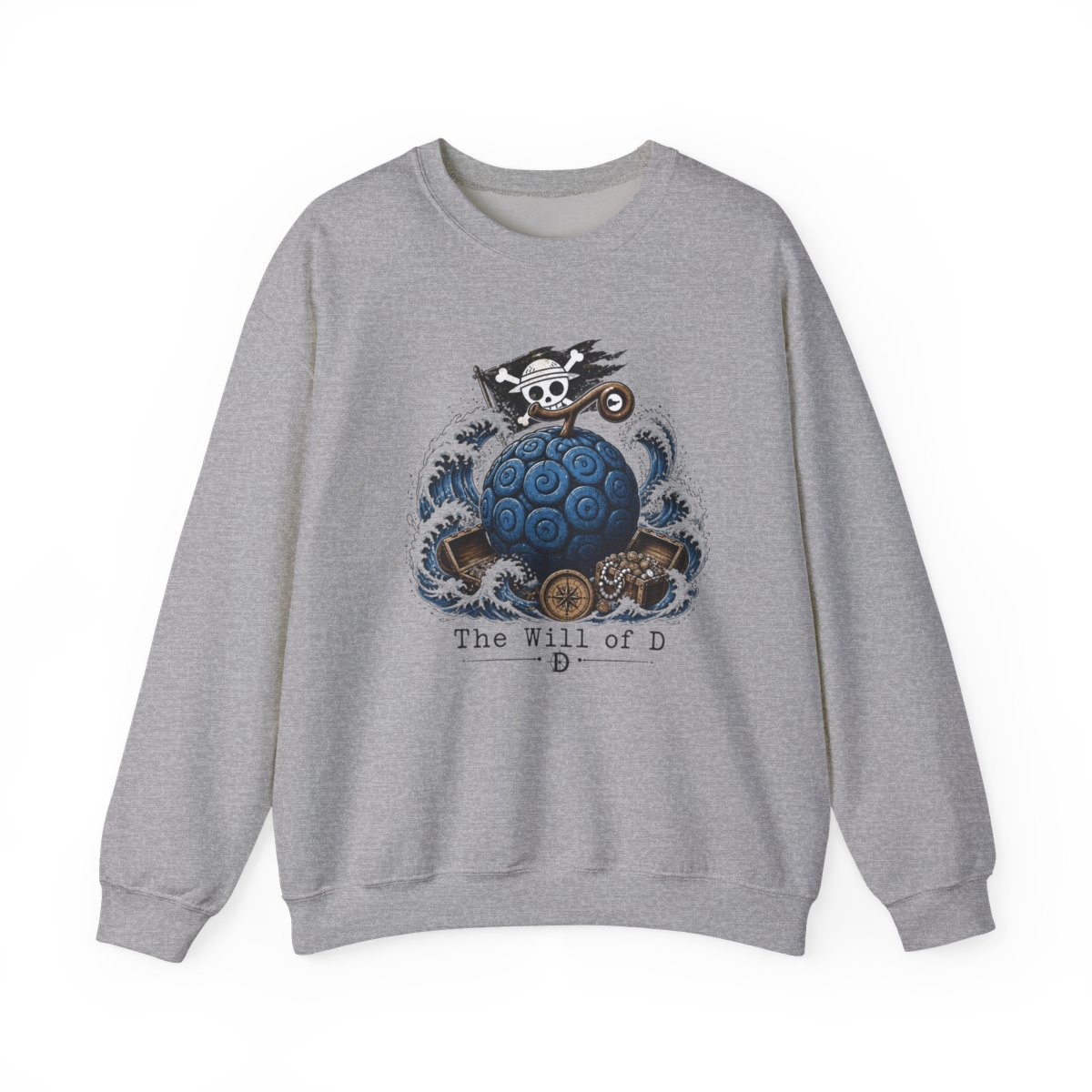
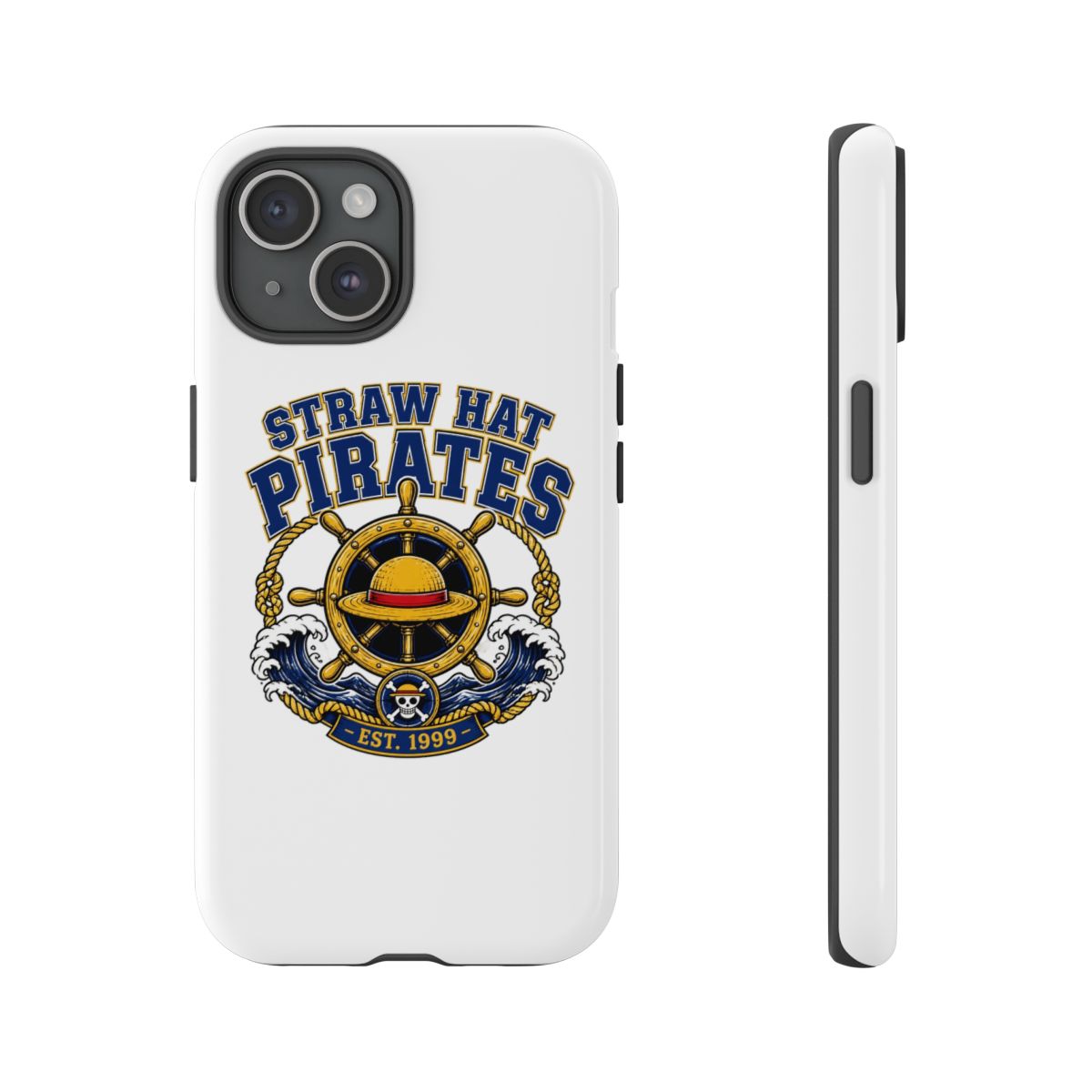
You're scrolling through online listings, excited to add a new Wanted poster or a mug with the Going Merry to your collection. Then you stop. Is the "One Piece" logo slightly crooked? The price feels too low. In 2026, counterfeiters are craftier than ever, but fans are smarter too. This guide walks you through exactly how to spot fake One Piece merchandise, so you can buy with confidence.
← Back to Blog
How to Spot Fake One Piece Merchandise in 2026
Learn how to identify fake One Piece merchandise in 2026 by checking logos, tags, quality, and price. Use community resources to verify authenticity before you buy.
Quick Picks: Authentic One Piece Gear at a Glance
| Product/Pick | Best For | Key Feature | Price Range |
|---|---|---|---|
| Official Funko Pop! Straw Hat Crew | Collectors | Licensed by Toei Animation, official packaging | $15 - $40 |
| Ichiban Kuji Figures | High-quality collectibles | Premium paint, limited edition lottery prizes | $30 - $100 |
| Fan-Made Apparel (from trusted stores) | Budget-friendly style | Community-driven designs, printed on quality blanks | $15 - $50 |
| Manga Box Sets (Shueisha) | Readers | Official print, authentic translation | $100 - $200 |
Common Signs of Fake One Piece Merch
Fake merchandise often has obvious visual flaws. Look for off-center logos, incorrect character proportions, or colors that are too dull or overly bright. For example, a counterfeit Luffy figure might have a red vest that looks more like maroon, or the scar under his eye might be missing entirely.
Another telltale sign is the material. If a t-shirt feels thin and rough after one wash, it's likely unlicensed. Authentic gear uses quality cotton or polyester blends that hold up to regular wear. Check the seams - poorly stitched hems are a dead giveaway.
Check the Official Logo and Tags
Toei Animation's official One Piece logo has a specific font and spacing. Counterfeit items often use a slightly different typeface or add extra elements like a star or border that doesn't exist on official products. If the logo looks squished or stretched, it's fake.
Tags are a goldmine for verification. Licensed merchandise will have a holographic Toei or Funimation sticker on the packaging, plus a serial number that you can look up online. Many fakes have blank tags or use generic "Made in China" labels without any brand information.
Compare Quality and Print Accuracy
Authentic One Piece figures are known for their sharp paint applications. On a legitimate Nami figure, the lines on her outfit are crisp and consistent. A fake will likely have paint bleeding outside the lines or missing details like the Clima-Tact's dials.
For apparel, check the print quality. Official shirts use screen printing or DTG (direct-to-garment) that lasts dozens of washes without cracking. Fakes often use iron-on transfers that peel after a few washes. Compare the print size and placement with images from the official store - if the design is smaller or positioned differently, it's likely fake.
Where to Buy Authentic One Piece Merchandise
The safest sources are large retailers like Amazon (only from official brand stores), Warner Bros. Shop, or Japan-based sites like CDJapan and AmiAmi for imports. For unique fan creations, look for stores that explicitly state they are not official but use high-quality materials and have positive reviews. Our curated One Piece Merch Store, for example, selects prints from verified artists and uses premium blanks.
Avoid buying from unknown sellers on eBay or Etsy unless you can verify the product's authenticity. Check seller feedback specifically for mentions of "fake" or "replica." If a seller has multiple items listed at suspiciously low prices, steer clear.
Price Red Flags to Watch Out For
A new Funko Pop typically costs $15-$40. If you see one for $5, it's almost certainly a counterfeit. Similarly, an Ichiban Kuji figure should be $30-$100 depending on rarity. Anything below that range is suspect.
Be wary of listings that say "replica" or "quality check sample" - these are polite ways of saying fake. Also, if a seller offers free shipping on an item already at a deep discount, they may be cutting corners to make a profit on mass-produced counterfeits.
Community Resources for Verification
The One Piece fan community is your best ally. Subreddits like r/OnePiece and r/funkopop have threads dedicated to spotting fakes. You can post photos and get feedback from experienced collectors within hours.
Additionally, there are Facebook groups and Discord servers where fans share trusted supplier lists. Some dedicated YouTube channels (like "One Piece Collection Vault") regularly compare authentic vs. fake items. Bookmark these resources before making a high-value purchase.
Key Takeaways
- Examine the logo, tags, and packaging for any deviations from official branding.
- Compare the product's paint quality and print sharpness with official images.
- Buy from verified retailers - unchecked third-party sellers are risky.
- Trust the community: ask for a second opinion in forums or social media groups.
- If the price seems too good to be true, it probably is.
Frequently Asked Questions
What is the most common fake One Piece item?
T-shirts and keychains are the most frequently counterfeited because they are cheap to produce. Always check print quality and tag details.Are all fan-made One Piece products counterfeit?
No. Many fan artists create unlicensed designs that are clearly labeled as fan art. These are not counterfeit as long as they don't mimic official logos or trademarks. Just know they are unofficial.I saw a "One Piece" hoodie from a Facebook ad for $12. Is it real?
Very unlikely. Official hoodies start around $40. That $12 hoodie is probably a counterfeit using low-quality materials and a stolen design.How can I verify if a One Piece figure is authentic?
Look for the official Toei or Funimation hologram sticker on the box. Check the serial number against the manufacturer's database. Also, weigh the figure - counterfeits are often lighter due to cheaper plastic.What should I do if I accidentally bought fake merchandise?
You can try to get a refund through the platform's buyer protection (e.g., PayPal, eBay Money Back Guarantee). Also, report the seller to help other fans avoid the same trap. - - Sophie Ward is an E-Commerce Product Specialist focusing on lifestyle and accessories. She has spent years reviewing merchandise for quality and authenticity, helping fans make smarter purchases.
Related Posts
Merchandise
One Piece Backpack and Bag Guide for 2026
From the Going Merry to the Straw Hat Jolly Roger, find the perfect One Piece backpack for daily use...
MerchandiseOne Piece Episode 1170 Review: A Worthy Test From a Living Legend - Plus Fan Merch Guide 2026
Episode 1170 delivers a flashback to Rayleigh and Roger's era. We review the episode and guide you t...
MerchandiseBest One Piece Gear 5 Merch in 2026: Top Picks for Fans
Discover the best One Piece Gear 5 merchandise in 2026. Our community-voted picks include t-shirts, ...
Shop One Piece Merch
Official merchandise — premium quality, designed for the community.